
1. Quick Answer
A Montblanc rollerball uses water-based liquid ink and a metal ball tip, offering a smooth, fluid, and traditional fountain-pen-like writing experience. A Montblanc fineliner features a felt or plastic tip, providing a crisp, precise line with slight feedback, perfect for drawing, sketching, or expressive handwriting. Both fit the same pen bodies.
2. Introduction
When it comes to picking out the best tool for writing every detail counts, starting from the surface, on which you are writing, to the kind of ink that is used. Montblanc lovers know better than underestimate the preference for a Montblanc rollerball over a Montblanc fineliner and vice versa. The reason is simple-these sophisticated writing tools are luxury in function and yet each of these targets different relevance and taste. This paper compares and contrasts the various features of the writing tools for a more judicious selection. It has become more challenging not only in choosing something to use for an example to paint skillfully, examining a few documents, or just putting any important one in a piece of paper but in determining the choice of a pen which correlates with a particular taste and which may be called perfect ratings from the intended user.
3. What is a Montblanc Rollerball?
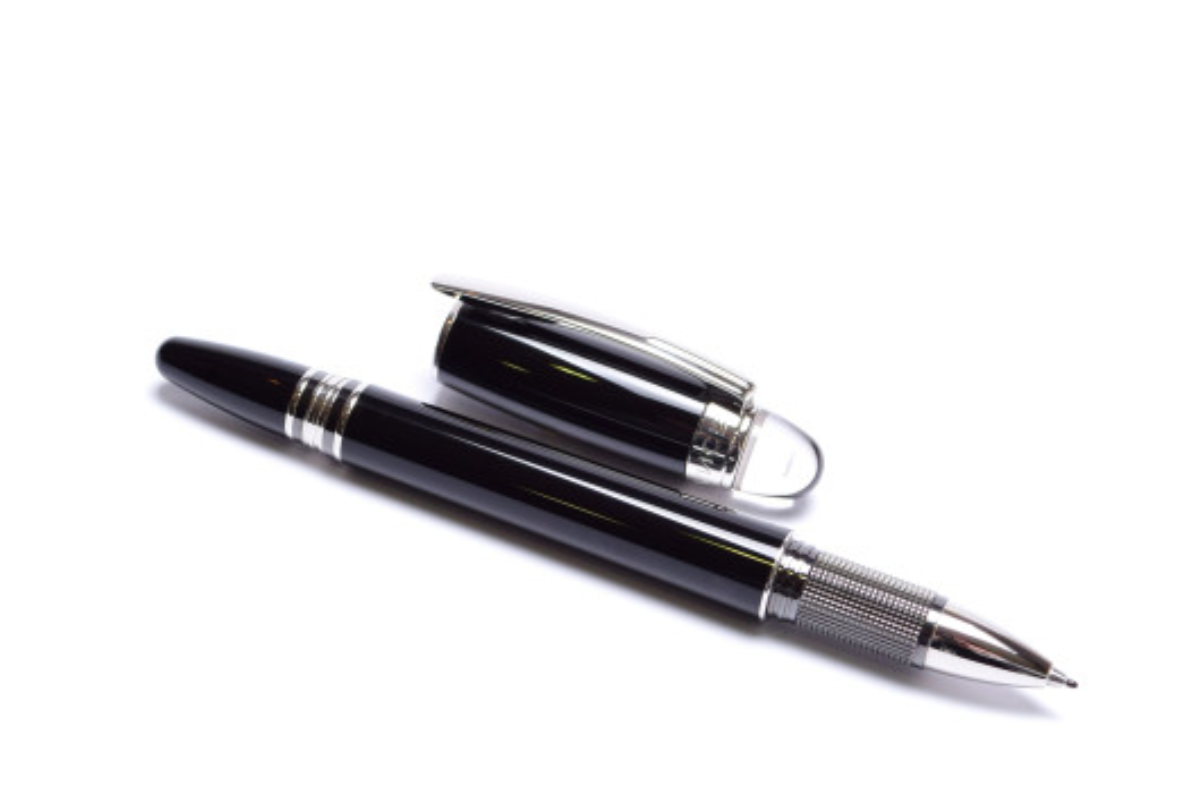
Montblanc brand rollerball represents a blend of excellent writing attributes associated with a ballpoint pen and a fountain pen. This is thanks to the fact that the rollerball uses ink for writing and does so in a very easy straightforward manner without encompassing any interruptions. Unlike the ballpoint pen which uses oily gel ink, a rollerball uses water based ink which makes it flow more like a fountain pen but without it’s disadvantage.
Montblanc pens are known to be extremely well made and use only the best quality materials available. The spencer is manufactured with every single detail in place and sometimes such gentlemen studs made from precious resins or any other precious metals such as gold and platinum are placed on the baroque or the spine of the skirt. The aim with these pens is not to only provide a better writing experience but a certain degree of luxury and elegance as well. Such tools can be cherished by each person, whether one needs them for business or pleasure.
Moreover, a Montblanc rollerball pen can be regarded as a multi-purpose instrument. It does not need to be cleaned or have nibs fit into place like a fountain pen. Unlike the parts that involve ink refills which are cheap and safe to remove and replace, these include most of the ink. This helps Montblanc wares maintain a comfortable compromise between function and style, allowing one to write in any setting without any hesitation.
4. What is a Montblanc Fineliner?
It is quite likely that someone uses a Montblanc fineliner because they want, first of all, to write or to draw accurately and neatly. This implement is specifically constructed to provide a steady supply of ink and fluid motion, which makes it suitable for very detailed work, or simply taking notes, or drawing complex pictures. The tip is such that it draws very thin and precise lines, appealing to the user’s need, especially for professions or occupations at an architectural relevel or an engineering level or professions such as painting.
The ink that is used in Montblanc fineliners is specially conditioned for a few minutes drying off and stain minimization. This way, whatever the hand of the writer is, or what kind of paper is being used, the work will appear as clean as possible. On top of that, Montblanc fineliners are meant to be restored again thanks to refill ability and the replacement of cartridges that they are designed to extend the pen usage and utility for a long time in case they run out of ink.
The Montblanc Fineliner’s ergonomic design allows for simple usage, even when writing or drawing for long periods of time. A combination of these positive attributes and luxury goods is further enhanced by the reputation of the company which painstakingly fabricates each pen to the highest possible standard. The Montblanc fineliner is a very handy and efficient writing instrument for any work related duty or even those which are carried out at home as a hobby.
5. The Writing Experience: Smoothness vs. Feedback
The Montblanc fineliner is designed for different people’s tastes in that it comfortably combines the smoothness and feedback of writing. The internal high quality ink as well as the frenzy construction of the fineliner helps in maintaining nearly perfect straight lines without much effort on many types of paper. Such feature appeals especially to people who can’t stop during a process of writing or drawing.
Providing positive and impactful criticism is just as valuable, particularly for those audiences who enjoy the texture of the page. In particular, the Montblanc fineliner provides adequate feedback. Thanks to this, the user feels as an active participant in the process by putting the importance of details on the movement or training, therefore, the use does not interfere in the work. Such versatility helps to focus on the task at hand and is best suited for detailed drawing or writing when used in such activities.
In a perfect way, the Montblanc fineliner vs rollerball enables a rich writing experience by balancing these traits which is the traditional soft and feedback. Hence geometry is designed to meet the diverse needs of users, looking for ease of movement or looking for enhancement of motion skill or enhancement of tactile performance. Such diverse limitations make the pen very effective from my perspective. For this reason, the pen stands out as an instrument which is robust and easy and readily adaptable to changes in the professional and creative endeavor.
6. Ink Formulation and Drying Time
In Montblanc fineliner vs rollerball markers, their ink composition is aimed at maximizing clarity and efficiency. The pigment-based formula renders consistent, long-lasting brilliant hues without the risk of smearing when wet. Because of this, any form of documentation and even creative pursuits can be put to very good use. Besides that, the ink features compatibility with the tips of Montblanc fineliner pens with a fluid drawing experience free of any gaps and ink blots.
Another factor worth mentioning about Montblanc ink is the processing at the end of the transaction without taking a lot of time. The ink dries relatively fast on the good quality paper which is often used, enabling less smearing and more neatness. Nevertheless, the actual time to dry the ink may differ depending on the paper but is always enough to allow precise, more sophisticated actions. With time, this becomes very useful in professional practice, especially to those who are left-handed because they don’t smear the softer inks’ formulations with speed.
Moreover, it also helps to preserve the ink, making it resistant to fading for a long period of time. This is why Montblanc fineliners are commonly used for official documents which must be preserved for a long period without losing their readability and authenticity. This is evident in the precise formulation of the ink which ensures that the pen will meet the requirements of its users who are most likely people who value the performance, reliability, and elegance of their writing instruments.
7. Line Variation, Crispness, and Width
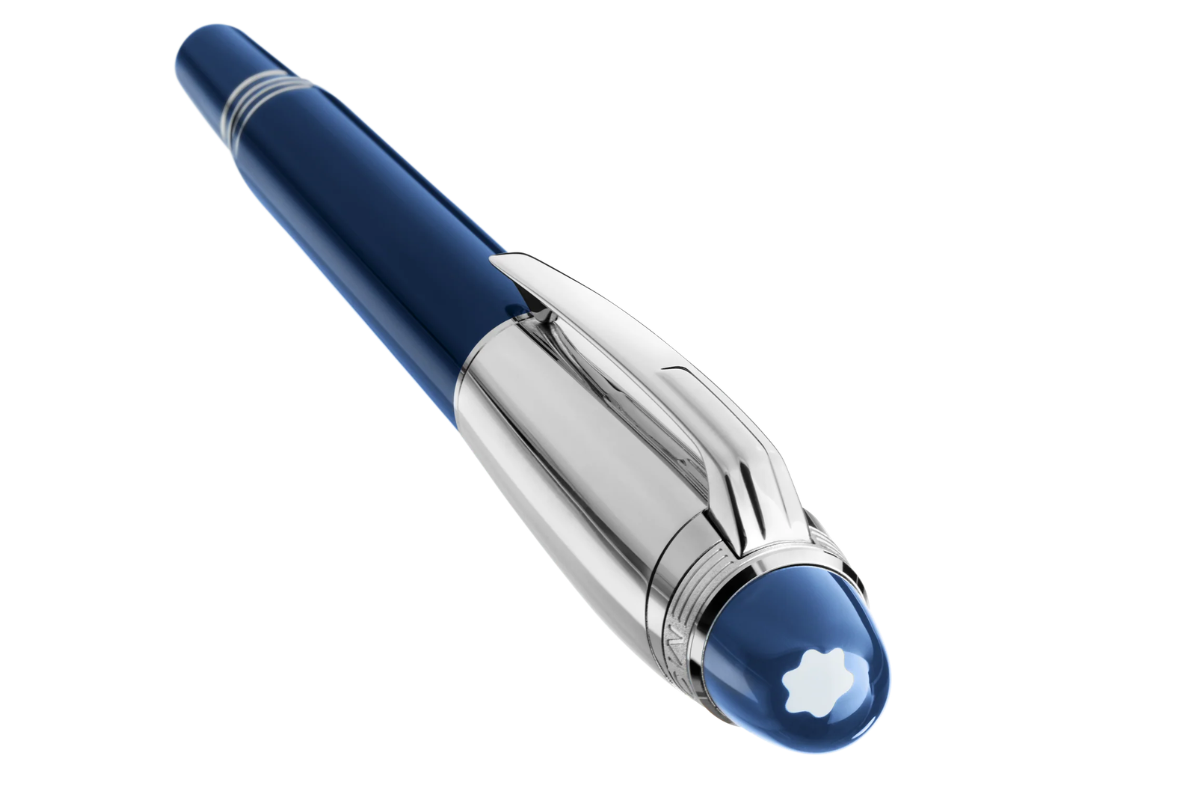
The construction of Montblanc fineliners facilitates extreme attention to the modulation of the line so as to make the writings faithful to ‘reality’ and yet consistent. Thank the special construction of the pen, line width is consistent regardless of fast strokes or slow strokes. Apart from the fact that it will depend on the tip size, 0.3 mm to 0.8 mm being classical sizes of lines, the user gets the effect of dots from each stroke which is enough both for daily writing and for a picture with rather developed rendering of details.
The wonderful masterpieces which get created with Montblanc fineliners grace the writings of enthusiasts – why? Because there are finely tuned ink flow system and perfectly formulated nibs. This fact excludes the hazard of any smearing or feathering even with different sorts of papers. The consistencies introduced by the combination of pen and ink serve to maintain the proper levels of firmness and sharpness, since they assist in controlling the output so that it gives tremendous pleasure to the end users; this addressing every single professional artist or general art lover.
The Montblanc fineliners are particularly attractive because, due to the available line width variety, they give choice to rest people. Doesn’t matter if you will end up making any serious workplace or just some simple illustrations, the suggested tip size suits the application purpose. Such architecture keeps in line with the idea that Montblanc manufacture high-end stamped items that fit niches of every client base with whichever high standards that they possess.
8. Best Use Cases for the Rollerball
When smoothness and accuracy of handwriting becomes an absolute necessity, rollerball pens have no competitors. The ink roller of this kind of pen is liquid, which guarantees a streaming effect when writing, similarly to a fountain pen, hence making them a preferred option for executive purposes such as writing down one’s signature or penning down some key points. This also acts as a lubricant and makes the flow of ink smooth and consistent even at longer durations of writing.
In terms of art, rollerball pens also come in handy with activities such as sketching or drawing patterns. The sharp nib of a rollerball pen with a thin and dense colored ink enables an artist or designer to obtain a very neat regular outline. They are very useful for keeping diaries or going letters since the ink fasttevailles quick and a well-formed, polished manuscript appears on the majority of the paper types.
For day to day utilization, rollerball pens are a good alternative as well. They have an ergonomic design that appeals to individuals who write for a long time with minimal fatigue on the hands and still maintain neat handwriting. Due to their dependable ink output, smoothness when writing and comfort of use, there is no wonder why these writing tools standout when faced with difficult professional assignments and boring day to day writings.
9. Best Use Cases for the Fineliner
Precision and fineliner pens go together like logic and mathematics. Surprisingly, due to easy control over the thin felt/plastic tip and constant dispersion of the ink, different types of art such as technical drawings, sketches, and detailed art, employ these tools very well as they are receipts for this very work. For this reason, fineliner is associated with such groups of individuals as artists, architects and designers, whose work needs sharp and even lines to get a perfect picture. This form of pen is very good at drawing layout designs, diagrams, as well as intricate designs and patterns.
It is also suitable for writing/text activities; because there is less of a chance of the words appearing murky when writing. Because of the fine tips, elegant writing is easily achieved with little or no mess. Students, workers, and those who perform a lot of paperwork appreciate this feature, making fineliners their choice of writing instrument. Moreover, most finishing pens are also usable on heavy-grade paper that does not bleed, making the use of these pens all the more frequent in such scenarios or professions.
Finally, fineliners are often used in many lettering and calligraphy activities among other projects. Their uniform line spacing is greatly appreciated when creating plain or complex scripts. This is all thanks to the control of fineliners which both hobbyists and professionals enjoy because it makes the transition from one stroke to another a lot easier while also making it more uniform. In conclusion, fineliner pens are such useful tools because of their design and accuracy that they have been used in so many different activities and for many purposes.
10. Compatibility: Can You Swap Refills?
It is feasible to alter the refills in fineliner pens, however, this is dependent on the brand and the construction of the pen. There are certain types of fineliner pens which are reusable in nature and are particularly designed for replacing empty pen cartridges with those of the same size and brand. There’s always a mention by companies about the compatibility factor between a certain model of the pen and a refill, which helps maintain the quality of the pen. Therefore, to ensure proper use of the pen and avoid any unnecessary causes of leakage, one should always consult the user’s manuals.
The ink cartridges should not be replaced in pens that are not originally designed to be refilled. As previously noted, structured pens such as these are either sealed or there is no mechanism within the pen to do so, therefore interfering with it could cause deformation or loss of functionality. Moreover, using different refills which may be too thick or thin will affect the pressure, ink flow or writing smoothness of the pen resulting in poor performance.
To retain accuracy and dependability, use the correct refill types intended for your model of fineliner. Many highly reputed manufacturers include instructions on the product along with respective refill product codes. Forethought and the purchase of authentic refills mean that your fineliner’s performance will stay constant whilst minimizing dumping the latter.
11. Maintenance and Longevity
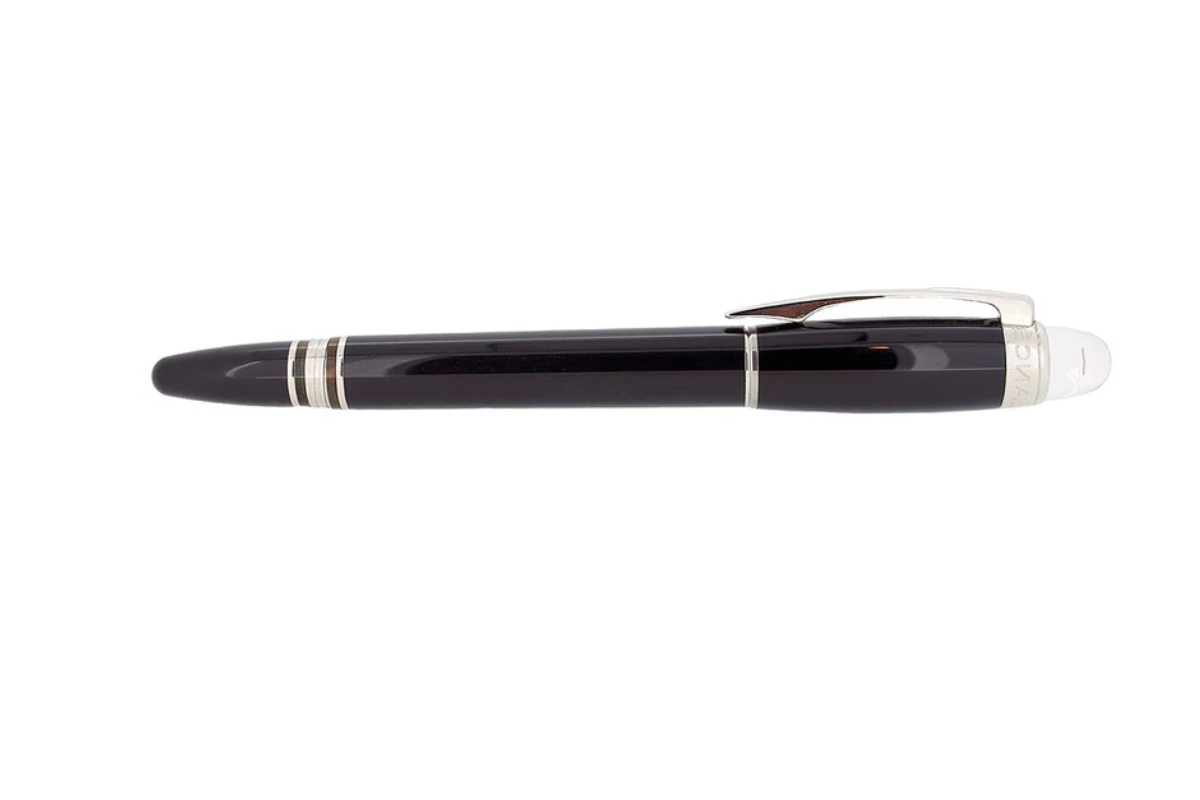
Correct care is essential to maximize the lifetime of fineliners as well as maintaining high quality output over time. First of all, store pens in a horizontal position. This is useful in order the ink remains distributed over the pen and doesn’t dry up or concentrates in one place inside the pen. Do not leave fineliners open exposed since the ink that provides fluidity and accuracy of the fine tip would dry out.
If you notice any accumulation of ink or the clarity of writing is worsened, then you should regularly clean the fineliner tip. The tip should be wiped gently using a damp, lint-free cloth. In case of thorough cleaning, it is important not to disregard the guide from the manufacturer, because inappropriate cleaning might damage fragile structures. Also, never attempt to use your fine liner on inadequate surfaces such as a heavily textured paper, as this will disfigure the nib and cause inaccurate writing.
Finally, ensure that you replace the used refills, rather than attempting to draw every last drop of ink, as it may put stress on the writing system. It is vital to only use refills found in the appropriate model as well, so as to avoid defects and excessive wear. With care, a quality fineliner can provide the user with dependable and enduring usage for any artistic or working purpose.
12. Key Takeaways
- Mechanism: Rollerballs use a metal ball; Fineliners use a porous felt/plastic tip.
- Writing Feel: Rollerballs glide smoothly; Fineliners offer tactile control and a crisp, marker-like edge.
- Paper Interaction: Rollerballs require higher-quality paper to prevent feathering; Fineliners generally sit cleaner on the page.
- Flexibility: You can interchange both refills in most standard Montblanc rollerball/fineliner pen bodies.
Frequently Asked Questions (FAQ)
Q: What is the basic engineering distinction between montblanc fineliner vs rollerball?
A: The key mechanical difference is in the system of ink transfer. A Montblanc rollerball has a tiny carbide ball that spins to apply water-based gel ink on the paper, much like the ballpoint except that it is more inky. On the other hand, the fineliner has a porous pointed structure protected by a metal barrel and when applied to paper, the ink seeps out through the tip, making a line that looks like a marker.
Q: Can you use Montblanc fineliner and rollerball refills in the same pen?
A: Certainly, most Montblanc pens allow fineliner and rollerball refills to be changed over without a problem. For example, both Classique and LeGrand types of Montblanc rollerball pens can accommodate both sets of refills. This builds flexibility for those who favor the fineliner’s needlepoint precision to those who enjoy the rollerball’s free movement without the necessity of carrying another writing device.
Q: What kind of pen system is ideal for quick script writing?
A: Generally, writing at a fast pace is much easier with a Montblanc rollerball. This form of pen uses a small rotating ball at the tip eliminating friction on the surface of the paper, thus moving smoothly. A fineliner with a porous nib gives a bit of feedback and a slight drag which is great for control though for fast writing, it could be a little uncomfortable.
Q: What is the source of variation in the inking materials used for both these writing systems?
A: Both words have particular scientific or engineering terms for the ink they use so as to avoid mentioning just any kind of ink, since both types of writing depend heavily on the properties of the ink. Indeed, for example, rollerball ink is made to be used against a metallic ball while stored in the cartridge. The fineliner ink is made in such a way that thin even lines can be drawn without smudging or straining the paper while primarily using the capillary pore.
Q: In a montblanc fineliner vs rollerball usage comparison, which is favored when it comes to drafting and technical despites?
A: When technical drawing and drafts or any other activity that requires one to work with intricate precision is on the cards, the Montblanc fineliner is irreplaceable. This is achieved through the use of a fixed porous-width tip, including the absence of the very narrow variations in thickness that arise due to the change in pressure, or even skipping some occasional instances when a rolling ball mechanism is in use. The metal jacket surrounding the tip of a fineliner also enables drawing with straightedges or templates, which is also how it can be applied.
Q: Now, how do these two refills rate their burning and consumption rates for ink.
A: Among these two types of refills, a Montblanc rollerball refill would last longer as opposed to a fineliner refill. Capillary action, which favors production of thick and intensely colored lines by the fineliner’s porous tip also encourages quicker exhaustion of the ink nozzle. On defying the tension within the head, the rollerball’s system tightly closes the ink channel after usage, while the developed end of the fineliner cannot be left open because this too will cause the nib to dry out which also impacts the length of time one is able to use a fineliner refill.
Q: To which extent does paper quality influence the attributes of these MontBlanc pens?
A: Although paper quality affects both of these instruments to some extent or another, the composition of the paper has a more pronounced effect on the fineliner. This is mainly due to the fact that with a fineliner, excess ink is released to form marks on the paper through a point that has several holes, thereby very thin or low-gsm paper may cause the ink to bleed out of the pages. The rollerball, on the other hand, has a point that still uses the liquid as a coloring agent but rather a steel ball regulates the amount of release unlike a fineliner or fountain pen, therefore, on normal office papers, it doesn’t create as much of a mess; however, like with both of them, using coated paper does provide the best precision.
Q: How durable are the tips of both the pens on long and intense usage?
A: The tungsten carbide sphere that forms the rolling section of a Montblanc rollerball is without doubt a good material; it keeps its shape and works the same even when the ink in the pen is almost used up. The felt or porous tip of the fineliner on the other hand is not immune to wear and tear. With time, applying such high pressure while writing or writing on rough surfaces can cause the felt tip to collapse causing the line variations to become smaller especially as the refill grows old.